



Poster details
Select to view
- Title
- Platoon
- AKA
- --
- Year of Film
- 1987
- Director
- Oliver Stone
- Starring
- Charlie Sheen, Willem Dafoe, Tom Berenger, Richard Edson, Keith David, Forest Whitaker, Kevin Dillon, Johnny Depp
- Origin of Film
- USA
- Type of Poster
- One sheet
- Style of Poster
- --
- Origin of Poster
- International
- Year of Poster
- 1986
- Designer
- Unknown
- Artist
- Mike Bryan
- Size (inches)
- 27 2/16" x 41"
- SS or DS
- SS
- NSS #
- --
- Tagline
- --
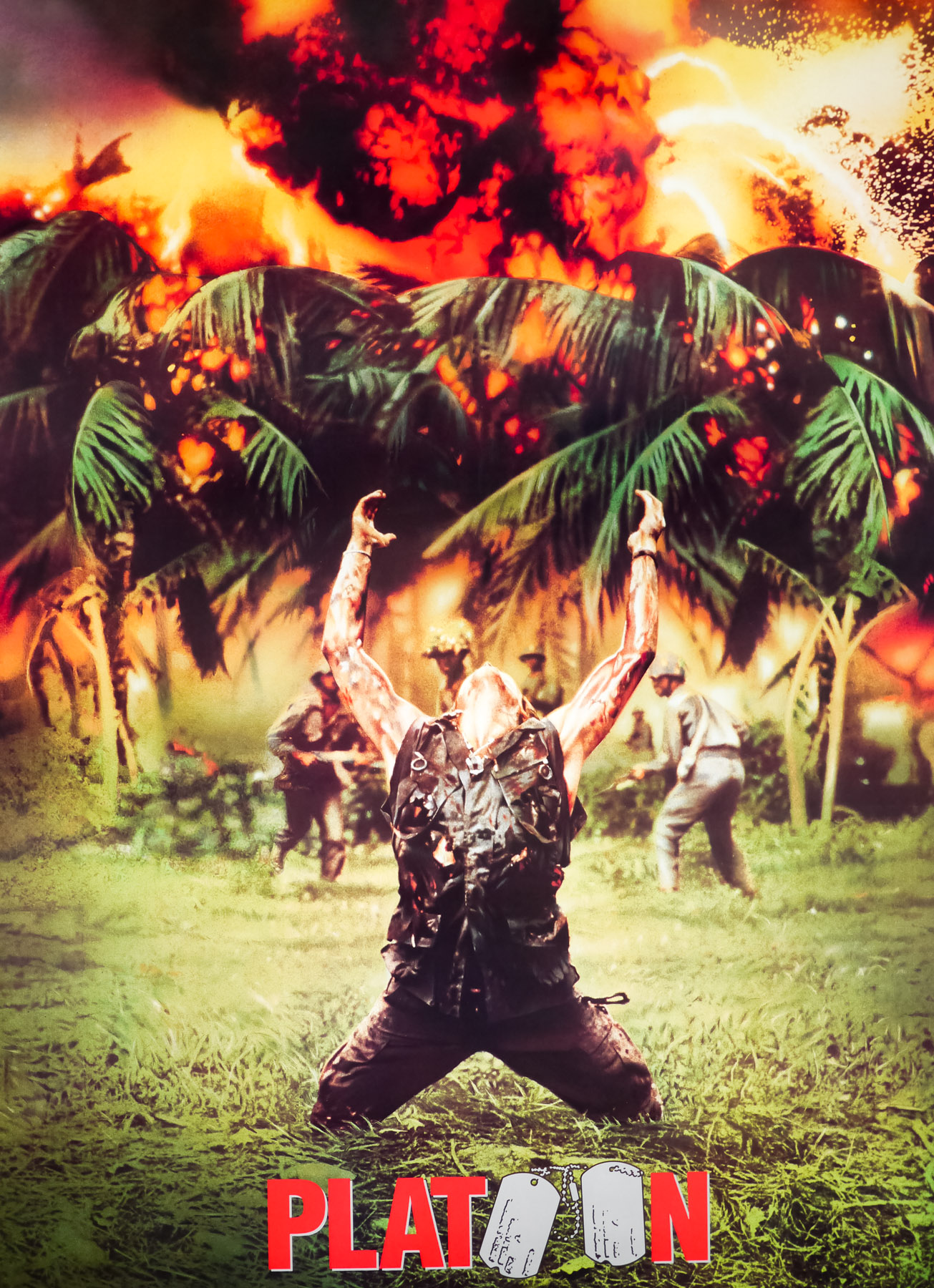
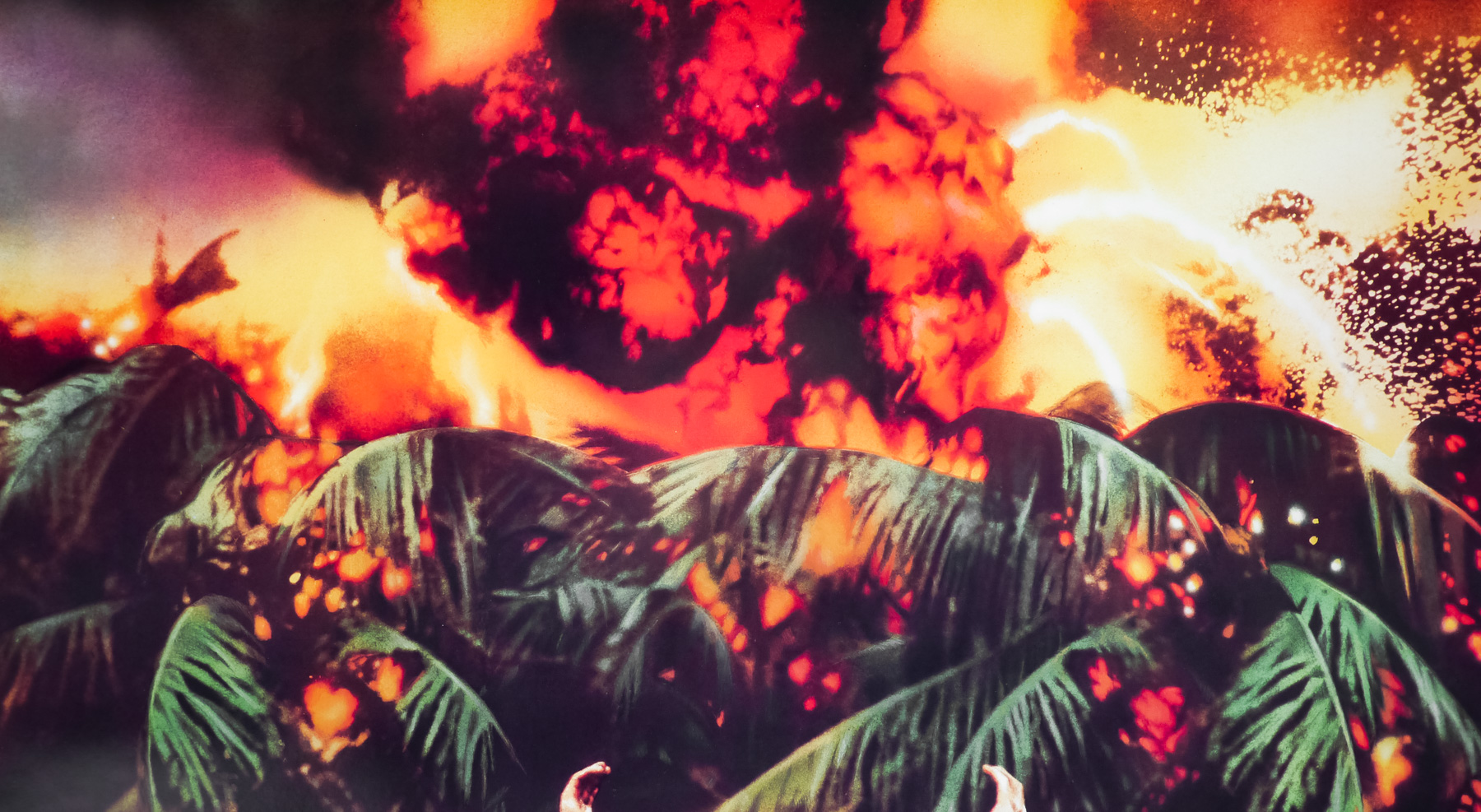
An iconic image on this one sheet for the release of Oliver Stone (opens in a new tab)‘s Academy Award-winning Vietnam war classic, Platoon (opens in a new tab), one of a three films that the director made on the subject (the others being Born on the Fourth of July (opens in a new tab) and Heaven & Earth (opens in a new tab)). The script, which was written by Stone, is based on his own experiences as an infantryman who served in tours of duty during the Vietnam war (opens in a new tab). He had signed up in 1967 after dropping out of Yale University and specifically requested to see combat in the war that had seen the first ground troops sent to the country two years earlier. Stone served in two different divisions for over a year and was wounded twice, receiving several medals, including a Purple Heart.
The film follows Charlie Sheen (opens in a new tab)‘s army grunt Chris Taylor (a proxy for Stone) who is serving as part of Bravo Company, 25th Infantry Division near the Cambodian Border. Taylor is fresh into the field and is treated with disdain by the more experienced soldiers (an incredible ensemble of acting talent, including Willem Dafoe, Tom Berenger, Keith David and Forest Whitaker) who have all been in country for months, and he is quickly made aware that his presence is inconsequential. After a few skirmishes in which some members of the division are killed, Taylor is eventually accepted into the group and discovers the grinding boredom and rampant drug use amongst his fellow soldiers. Tensions between two sergeants, the ill-tempered, battle-scarred Barnes (Berenger) and the pleasant, more reasonable Elias (Dafoe) reach breaking point following an incident involving innocent villagers. Upon returning to base, the issue of a court-martial for illegal killing is raised and when the division is sent out on their next patrol, things reach boiling point, leaving Taylor fighting to survive against the enemy as well as members of his own team.
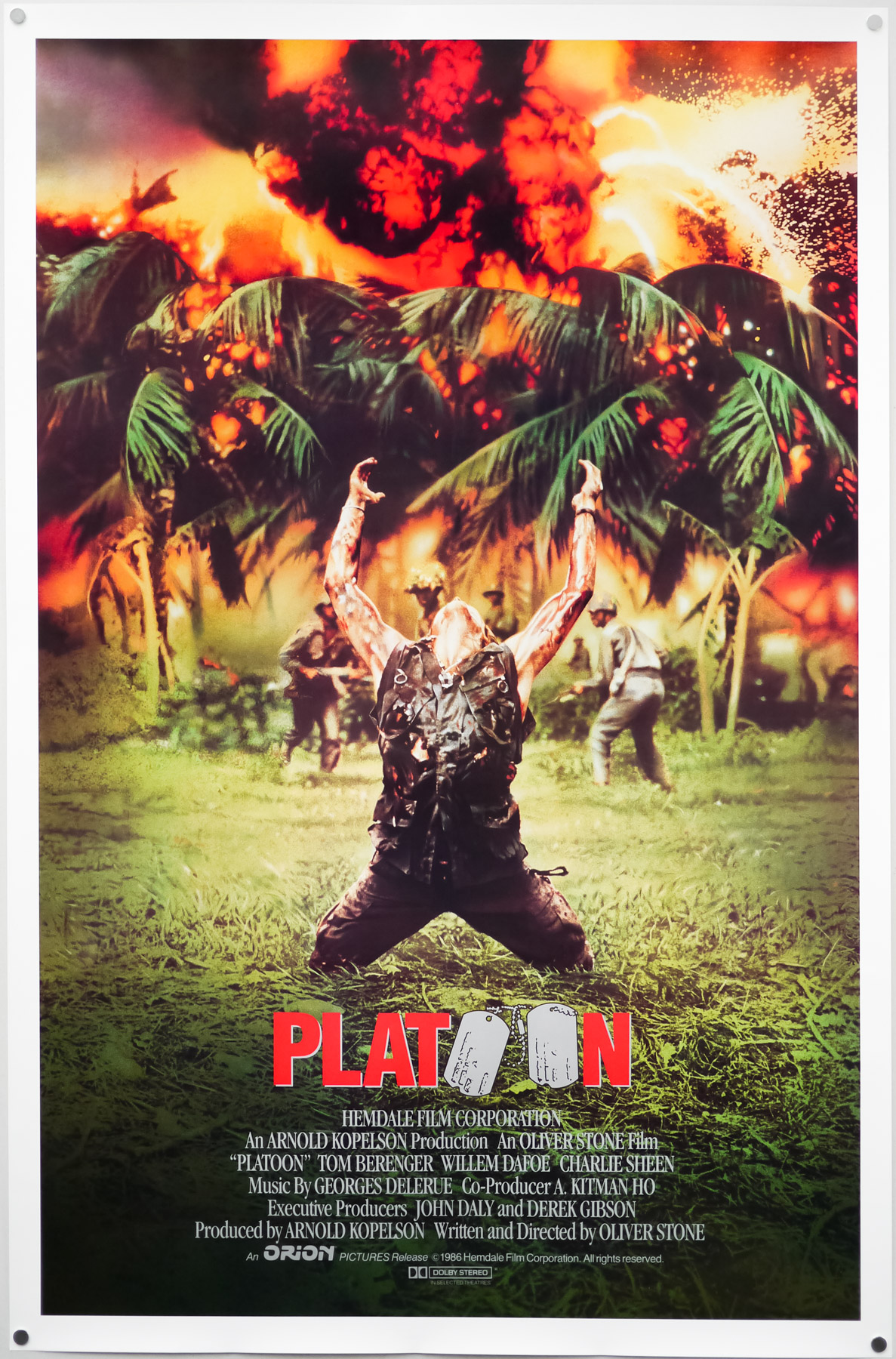
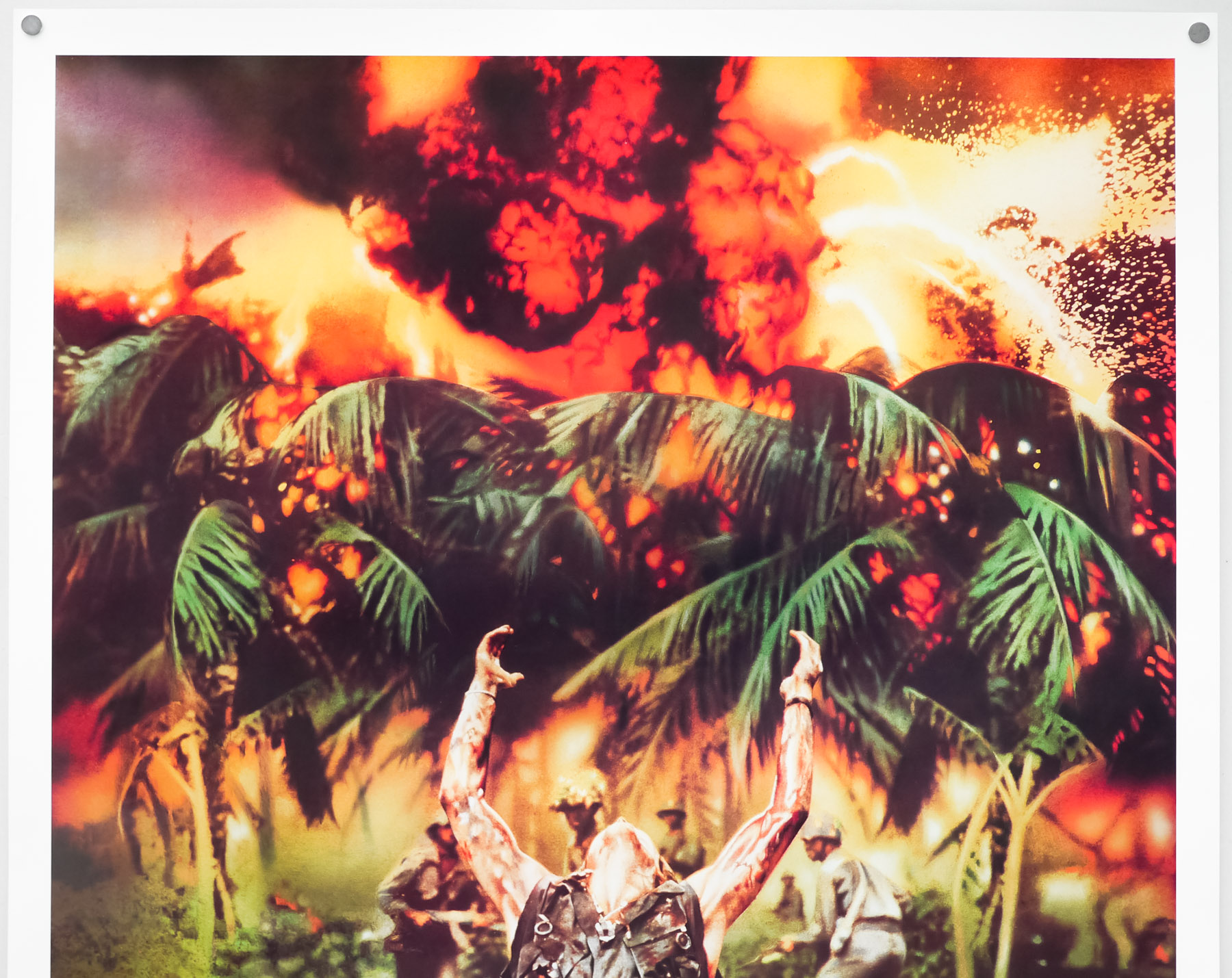
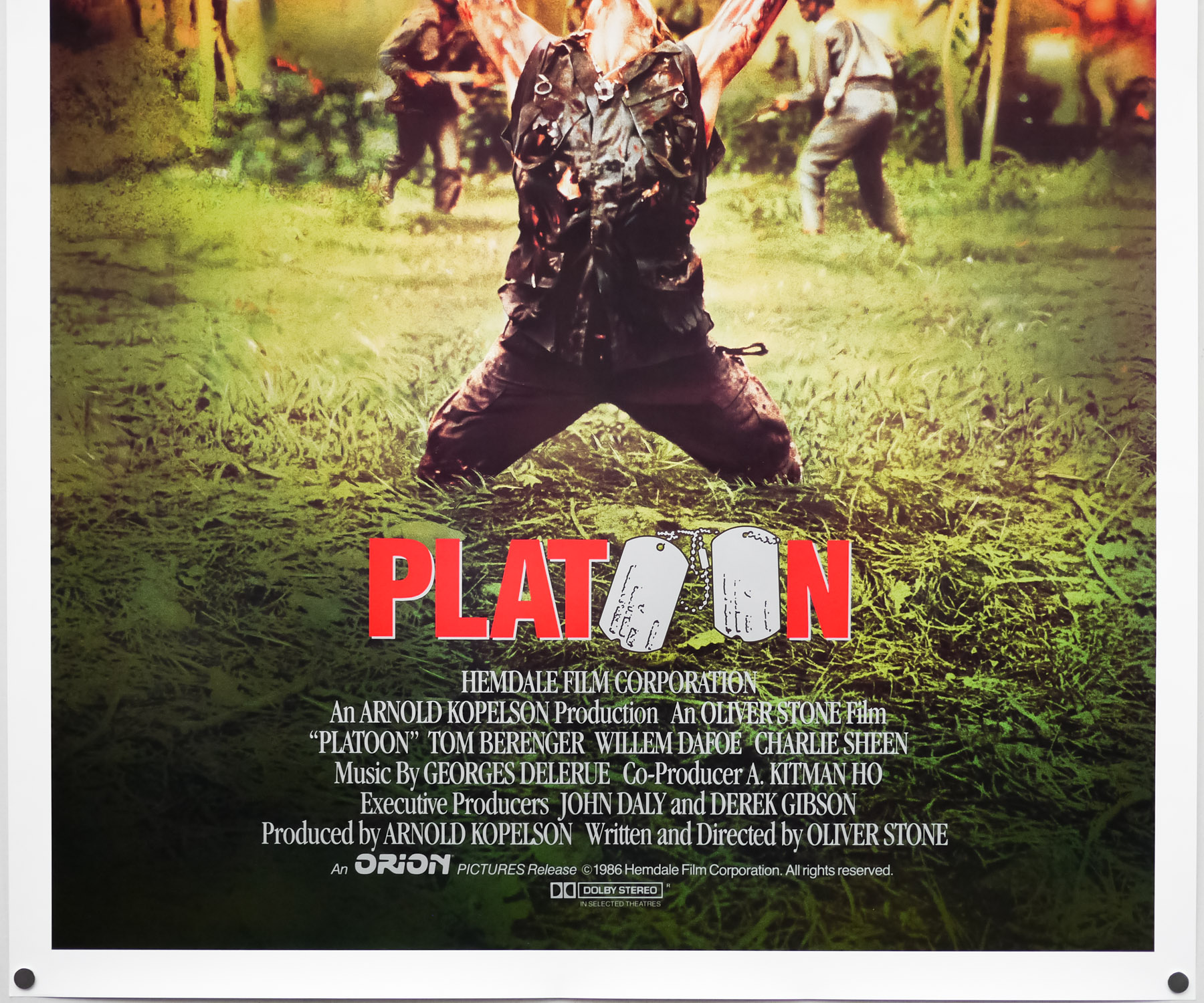
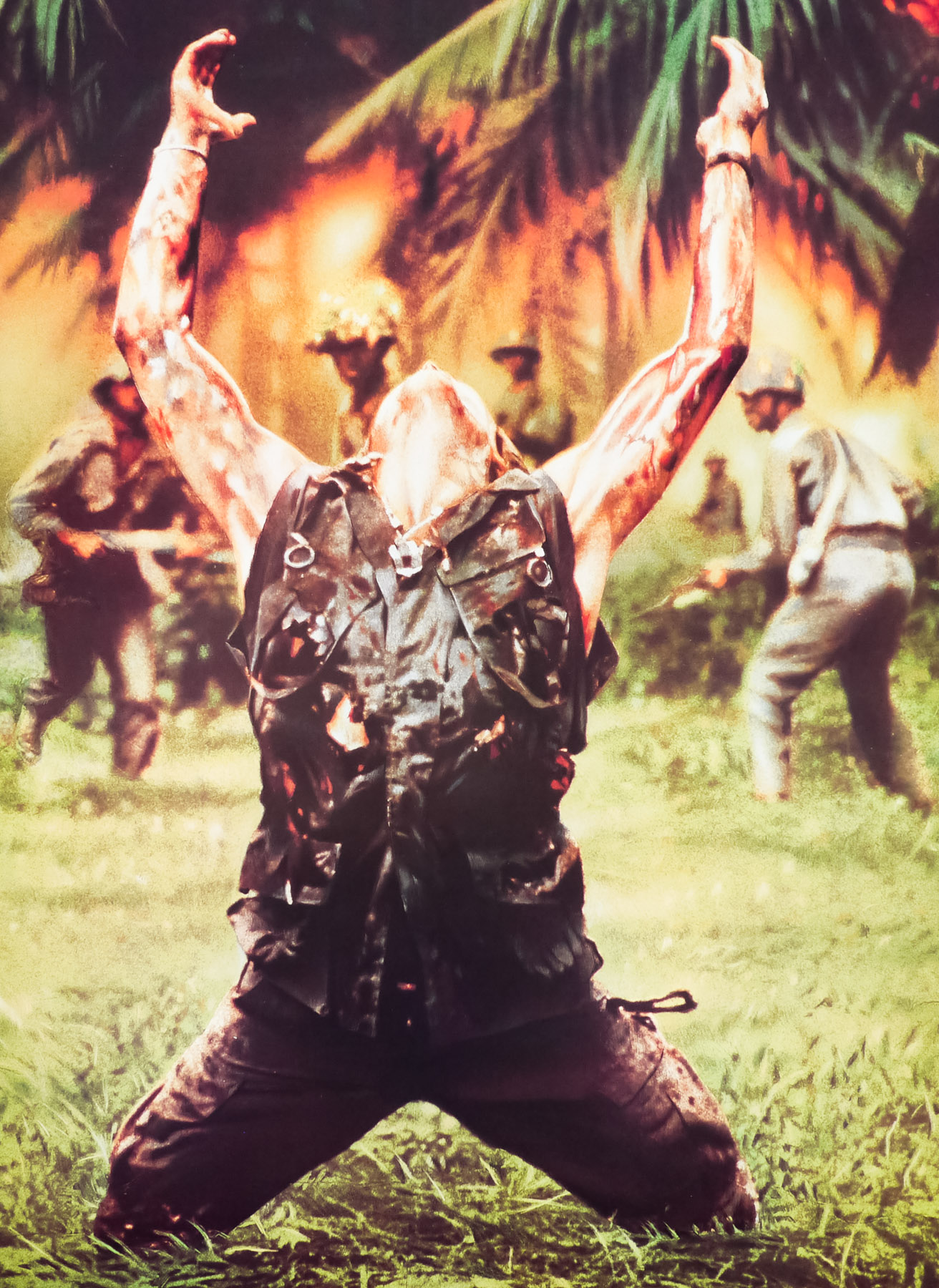
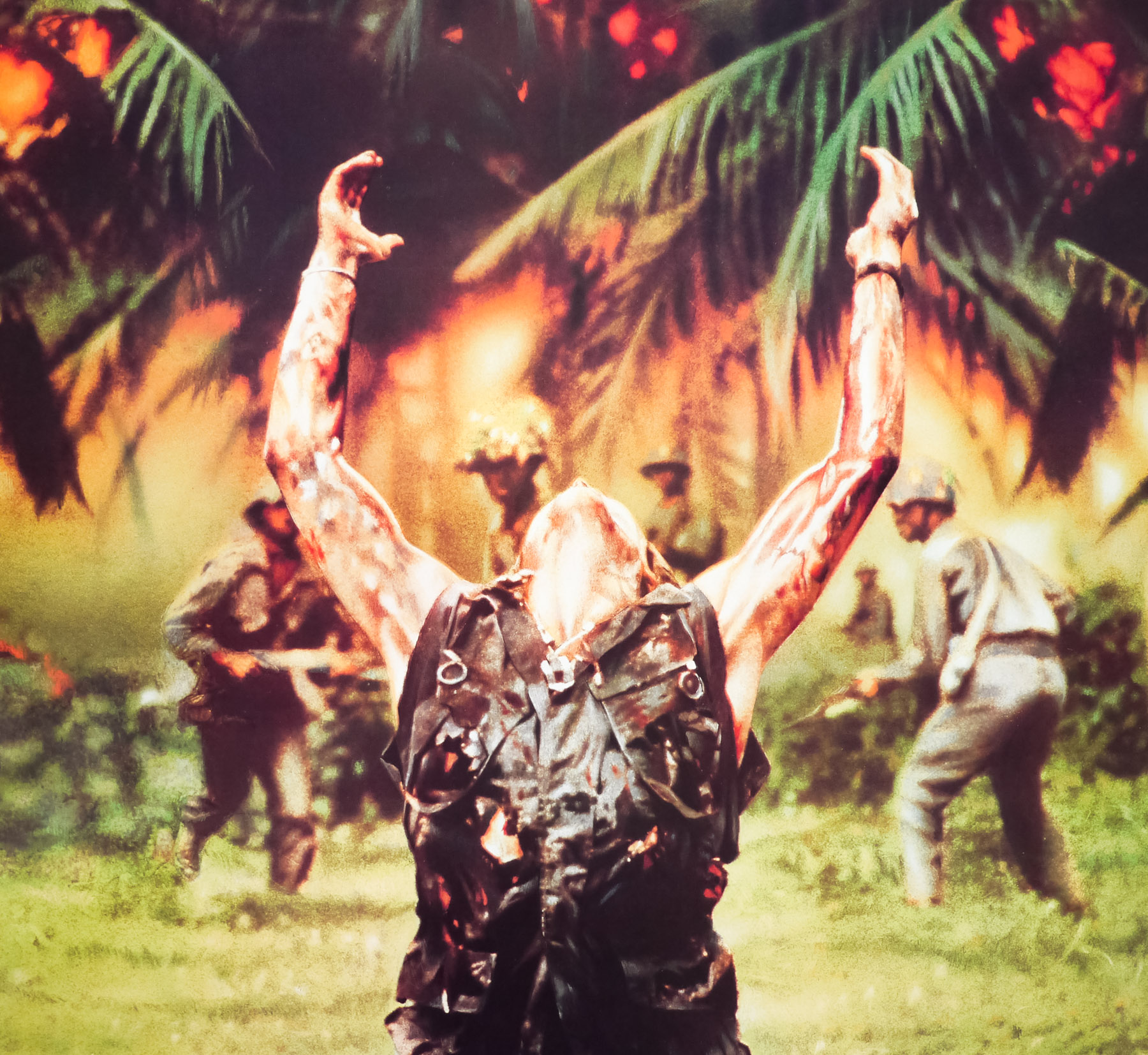
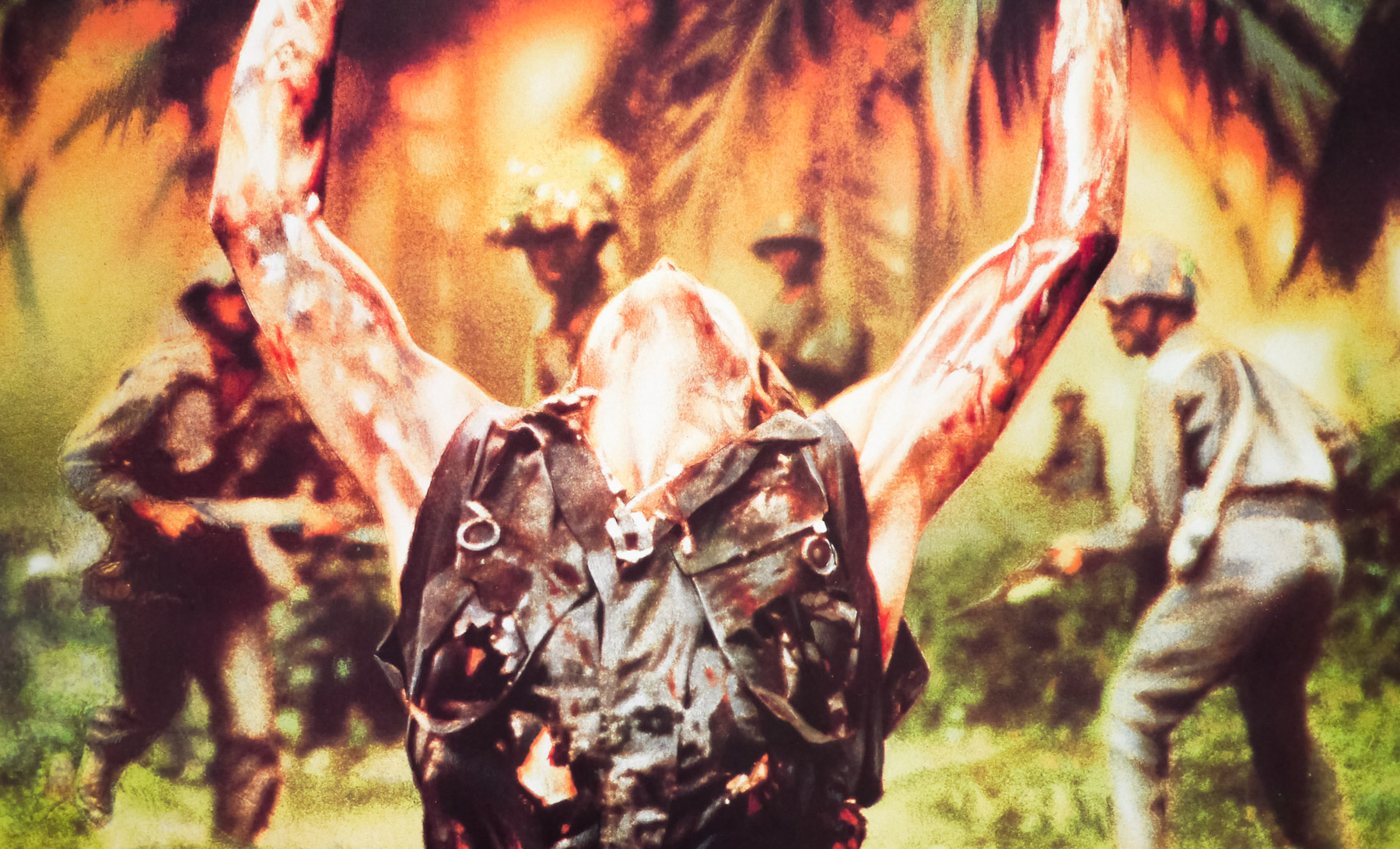
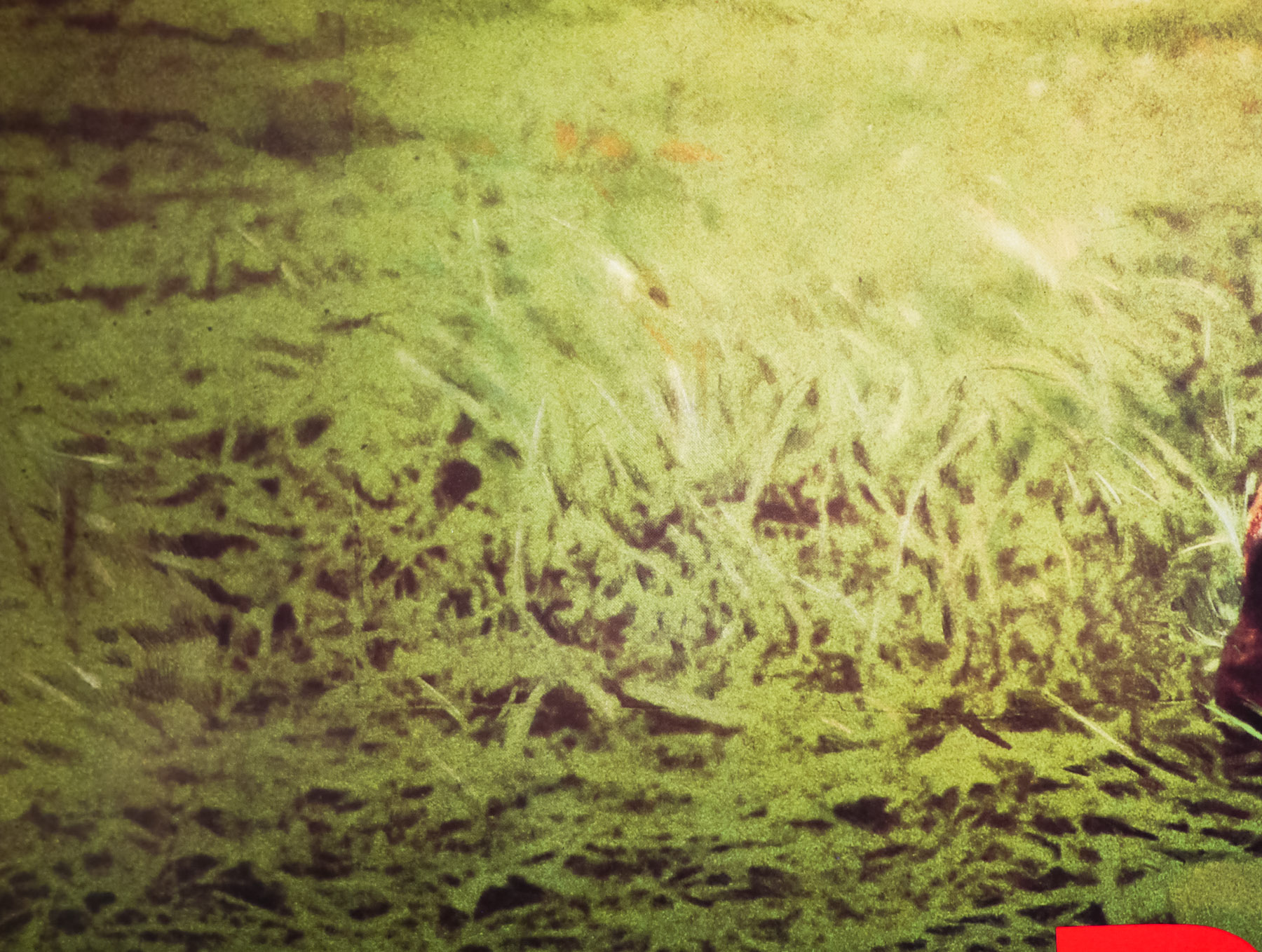
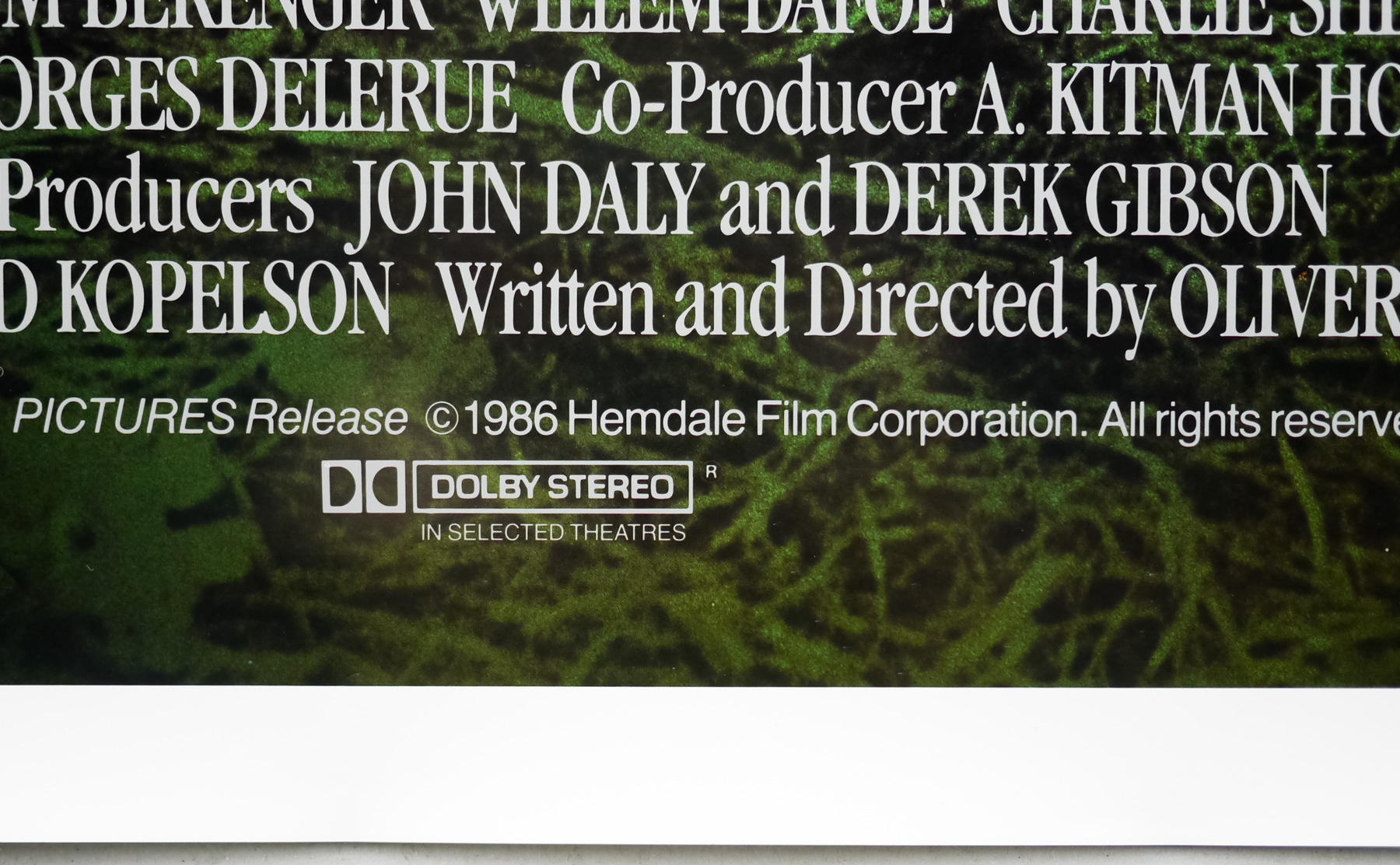
This one sheet features a shot from a pivotal scene in the film where Elias is left behind during an evacuation to escape from advancing Vietcong troops. The shot was used on most posters for the film’s release across the board, but not on the US one sheet. This poster is in fact a one sheet printed for use in English-speaking international countries (note the lack of MPAA rating). It most commonly appears without the white border and measuring 25″ x 39″ but this is the full-size 27″ x 41″ bordered version.
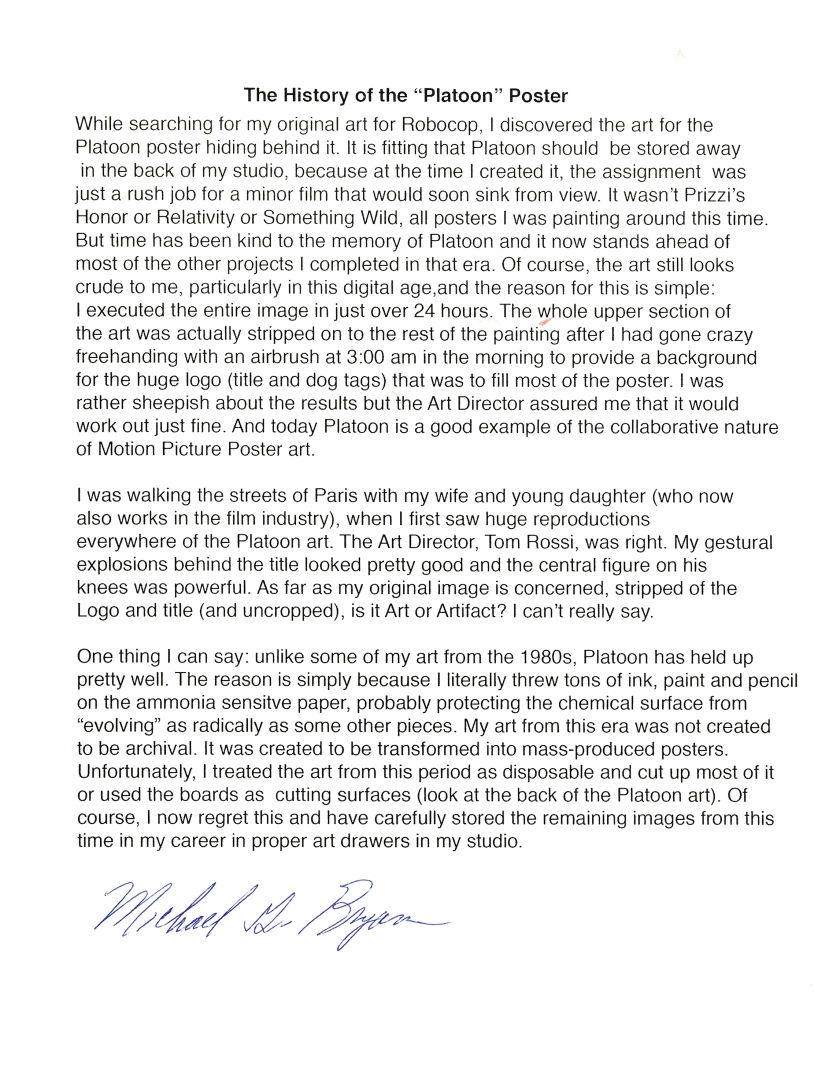
I had always assumed the image was a photograph but I only recently discovered it’s the work of the American artist Mike Bryan who also painted the fantastic and iconic Robocop one sheet. Heritage auction house sold the original paintings (opens in a new tab) for both posters in March 2014 and included with each was a note from Bryan himself. I’ve saved a copy of Bryan’s note about the Platoon poster and reproduce the copy here:
While searching for my original art for Robocop, I discovered the art for the Platoon poster hiding behind it. It is fitting that Platoon should be stored away in the back of my studio, because at the time I created it, the assignment was just a rush job for a minor film that would soon sink from view. It wasn’t Prizzi’s Honor or Relativity or Something Wild, all posters I was painting around this time.
But time has been kind to the memory of Platoon and it now stands ahead of most of the other projects I completed in that era. Of course, the art still looks crude to me, particularly in this digital age,and the reason for this is simple:
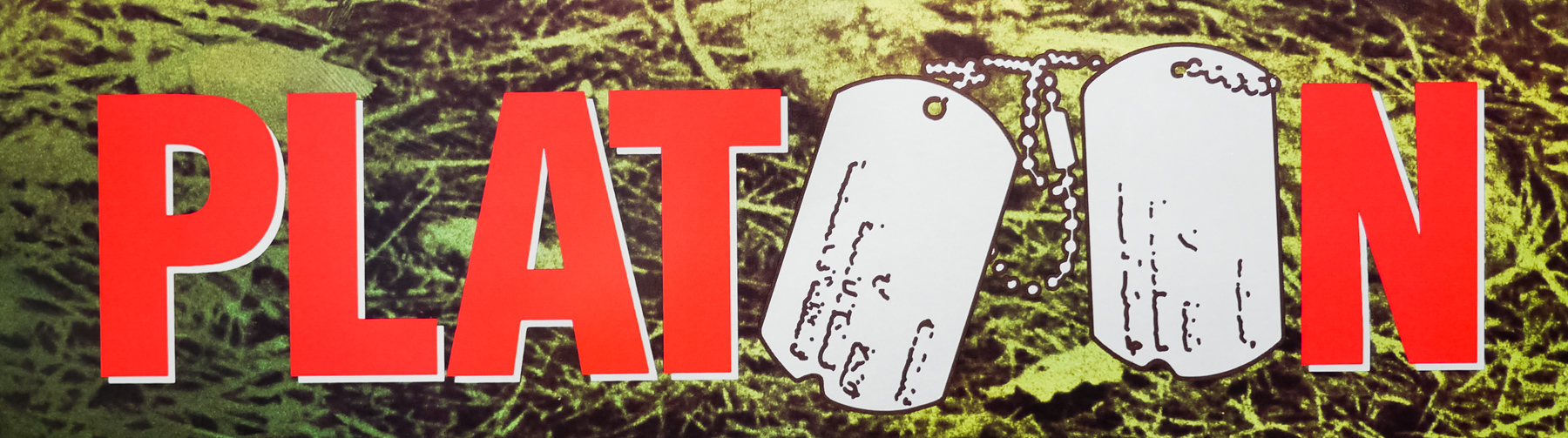
I executed the entire image in just over 24 hours. The whole upper section of the art was actually stripped on to the rest of the painting after I had gone crazy treehanding with an airbrush at 3:00 am in the morning to provide a background for the huge logo (title and dog tags) that was to fill most of the poster. I was rather sheepish about the results but the Art Director assured me that it would work out just fine. And today Platoon is a good example of the collaborative nature of Motion Picture Poster art.
I was walking the streets of Paris with my wife and young daughter (who now also works in the film industry), when I first saw huge reproductions everywhere of the Platoon art. The Art Director, Tom Rossi, was right. My gestural explosions behind the title looked pretty good and the central figure on his knees was powerful. As far as my original image is concerned, stripped of the Logo and title (and uncropped), is it Art or Artifact? I can’t really say.
One thing I can say: unlike some of my art from the 1980s, Platoon has held up pretty well. The reason is simply because I literally threw tons of ink, paint and pencil on the ammonia sensitve paper, probably protecting the chemical surface from
“evolving” as radically as some other pieces. My art from this era was not created to be archival. It was created to be transformed into mass-produced posters.
Unfortunately, I treated the art from this period as disposable and cut up most of it or used the boards as cutting surfaces (look at the back of the Platoon art). Of course, I now regret this and have carefully stored the remaining images from this time in my career in proper art drawers in my studio.